

<img height="1" width="1" style="display:none" src="https://www.facebook.com/tr?id=230191661020654&amp;ev=PageView&amp;noscript=1">
Skip to main content
Individuals
Workplaces
Health professionals
Back

Temporomandibular Disorders (TMD): More than just jaw pain

Category:
Physiotherapy
Jaw clicking, facial tension, headache, difficulty chewing, or waking up with a sore jaw are common symptoms many people dismiss as ‘normal stress’. However, these may be signs of a condition known as temporomandibular disorder (TMD), a common but often misunderstood and prematurely dismissed musculoskeletal problem affecting the jaw and surrounding structures.

TMD can significantly impact daily life – making eating, speaking, sleeping, exercising and even concentrating more difficult. Despite how common it is, many people delay seeking treatment because they are unaware that effective conservative management options exist.

Research now shows that TMD is not simply a structural jaw problem. It is a multifactorial condition involving the jaw joints, muscles, nervous system, stress response, posture, sleep and behaviour. Fortunately, evidence-based care, particularly physiotherapy and interdisciplinary management, can help many people recover successfully without invasive treatment.


What is Temporomandibular Disorder (TMD)

Temporomandibular disorders (TMD) refer to a group of conditions affecting:
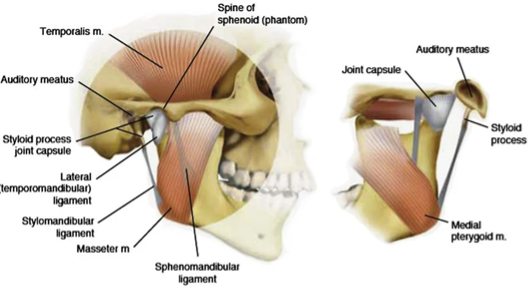
  • The temporomandibular joint (TMJ)
  • The muscles used for chewing (masticatory muscles)
  • Associated structures around the jaw, head, and neck


Insights_Banner_1340x800px_TMD2

Research estimates that approximately 5-12% of the population experience TMD symptoms at any given time, making it one of the most common musculoskeletal pain conditions after low back pain and neck pain.

The TMJ is the joint connecting the jawbone (mandible) to the skull. It is one of the most frequently used joints in the body, involved in:
  • Speaking
  • Eating and  swallowing
  • Yawning
  • Facial expressions 
Many people use the terms interchangeably, which is incorrect. The reality is:
  • “TMJ” refers to the joint itself
  • “TMD” refers to disorders involving the joint and surrounding structures

TMD

 Common causes of TMD includes:

  • Bruxism (jaw clenching and teeth grinding), particularly during sleep or stressful periods
  • Psychosocial factors such as stress and anxiety increasing muscle tension and pain sensitivity
  • Neck dysfunction and posture
  • Direct trauma or injury to jaw, face or head including dental procedures
  • Poor sleep quality
  • Joint hypermobility
  • Other chronic pain conditions
  • Other behavioural issues including nail biting, gum chewing or habitual jaw tension
  • Participation in impact sports or sports involving jaw motion


Types of Temporomandibular Disorders: The DC/TMD Classification

TMD is not a single diagnosis. It is an umbrella term that includes several different conditions. The internationally recognised classification system is called the Diagnostic Criteria for Temporomandibular Disorders (DC/TMD). It broadly divides TMD into three categories:


Common reason/cause

Common symptoms

 Pain-Related TMD
Involving muscles and pain-sensitive
structures around the jaw
 
  • Local myalgia
    (muscle pain)
  • Myofascial pain
  • Arthralgia (joint pain)
  • Headache attributed to TMD 
  • Jaw pain and aching
  • Facial tightness
  • Tenderness, pain or fatigue of jaw muscles during chewing
  • Tenderness around the temples relating to headaches 
 Intra-Articular (Joint) TMD
Involving structural or mechanical
issues inside the TMJ
 
  • Disc displacement with reduction
    (clicking jaw)
  • Disc displacement without reduction (locking jaw)
  • Degenerative joint disease / osteoarthritis
  • Joint hypermobility or subluxation
  • Audible or inaudible clicking or popping
  • Locking of jaw
  • Reduced mouth opening
  • Joint stiffness
  • Pain during movements
  • *Not all clicking jaws are painful or harmful. Many people have joint noises without significant dysfunction
 Mixed TMD
Many individuals experience both muscular and joint-related symptoms simultaneously 
  • Combined causes
  • Mixed Presentation 


Other common symptoms of TMD includes:
  • Facial pain
  • Ear-region discomfort or pain
  • Tinnitus (ringing in the ear)
  • Headaches or dizziness
  • Neck pain
  • Difficulty chewing
  • Pain while talking
  • Tooth sensitivity
  • Sleep disturbance


Symptoms may fluctuate depending on stress, sleep, workload, or eating habits.


What can physiotherapy do for TMD?

Physiotherapy is increasingly recognised as an important evidence-based treatment option for TMD. Conservative management is generally recommended as the first line of treatment.

Primary goals of physiotherapy include:
Pain management (reducing pain) 
Improve jaw movement
 Restore normal muscle function 
Improve neck and posture mechanics 
Reduce muscle tension
 Improve self-management
and prevent chronicity


These goals are achieved by implementing:

Education and self-management, forming the foundation of treatment. Patients are taught how to reduce jaw tension, strategies to avoid clenching, sleep optimisation techniques, stress-management approaches and activity modification during flare up. Simple awareness strategies can significantly reduce unnecessary jaw loading.

Manual Therapy involving gentle joint mobilisation, soft tissue techniques, muscle releases, and cervical spine treatment is indicated alongside exercises targeting jaw coordination, controlled opening, neck strength and endurance is helpful in improving pain and jaw function.

Neck and postural rehabilitation input can also be provided by your physiotherapist as the neck and jaw are closely linked. Treatment often includes cervical spine assessment, postural retraining, thoracic mobility work and ergonomic advice to address contributing neck dysfunction.

Persistent TMD pain may involve heightened nervous system sensitivity. Through pain education and stress management, physiotherapists can help patients better understand how pain works, the relationship between stress and symptoms, why flare-ups occur, and how gradual exposure and movement support recovery. They aim to reduce fear, improve confidence and encourage active self-management.


Who treats TMD?

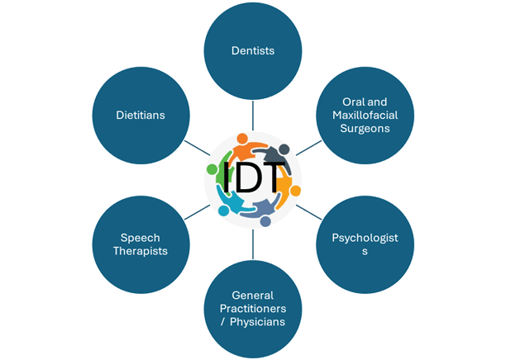
Other healthcare professionals involved in TMD management

TMD management is often most effective when healthcare professionals work together to provide interdisciplinary team (IDT) care.
Health Professionals


Final thoughts and key messages

TMD is common, complex and often misunderstood. While jaw pain and clicking can feel alarming, many cases respond well to conservative evidence-based care.

Research shows that successful TMD management involves more than treating the jaw alone. Factors such as stress, sleep, posture, muscle tension, neck function and pain sensitivity all play important roles. Physiotherapy, education, exercises and interdisciplinary management provide a strong foundation for recovery and long-term symptom management.


The earlier and better TMD is understood, the better the opportunity to prevent persistent pain and restore normal function early.

Ready to take the next step?

Jaw pain, clicking or tension doesn't have to become part of everyday life.

Our physios  can assess your symptoms and create a personalised treatment plan to help reduce pain, improve movement and get you back to doing the things you enjoy.

Frequently asked
questions

image

Does TMD go away on its own?

For many people, mild TMD symptoms do improve over time with simple self-care such as eating soft foods, reducing jaw tension and managing stress. However, symptoms that persist beyond a few weeks, affect sleep or eating, or keep returning are worth getting assessed. Early treatment helps prevent the condition becoming chronic.

Can a physiotherapist help with TMD?

Yes. Physiotherapy is a recommended first-line treatment for TMD. A physiotherapist can assess the jaw, neck and posture, provide manual therapy, prescribe targeted exercises, and help with pain education and self-management strategies - all without invasive procedures.

What causes jaw clicking and popping?

Clicking or popping in the jaw is usually caused by the articular disc inside the TMJ shifting position during movement. This is known as disc displacement with reduction. Importantly, clicking without pain is common and does not always require treatment.

What is the difference between TMJ and TMD?

TMJ refers to the temporomandibular joint itself - the joint connecting your jaw to your skull. TMD (temporomandibular disorder) refers to the range of conditions that affect that joint and the surrounding muscles and structures. The terms are often used interchangeably but they mean different things.

Can TMD cause ear pain and tinnitus?

Yes. The TMJ sits directly in front of the ear canal, and dysfunction in the joint or surrounding muscles can cause referred pain into the ear, a feeling of fullness, or tinnitus (ringing in the ears). These symptoms often improve as TMD is treated.

How long does TMD treatment take?

This varies depending on the type and severity of TMD. Many people notice improvement within a few weeks of starting physiotherapy and self-management. Chronic or complex cases may require longer-term interdisciplinary management. Early intervention generally leads to faster recovery.

When should I see a healthcare professional about jaw pain?

See a physiotherapist or GP if your jaw pain has lasted more than a few weeks, is affecting your ability to eat or sleep, keeps returning, or is accompanied by significant locking, headaches or ear symptoms. The sooner TMD is assessed, the better the outcome

Frequently asked
questions

image