
-1.png?width=1320&name=svgviewer-png-output%20(2)-1.png)





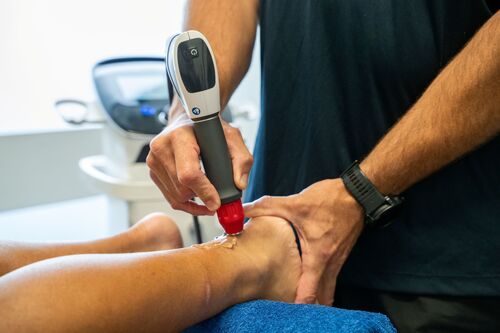
Shockwave Therapy: Fast, effective relief for stubborn pain
Rotorua's Active Scene Is Amazing. The Injury Rate? Not so much.
Rotorua is one of the best places in New Zealand to be active. We've got the Redwoods right on our doorstep, world-class mountain bike trails, and lake walks that are hard to beat on a clear morning. Whether you're training for an event or just getting out for a weekend run, walk, or ride, this town makes it easy to move.
But with all that activity comes a mix of aches, pains, and niggles: some that need hands-on treatment, and some that the right advice early on could have helped avoid.
As a physio at Habit Health's Rotorua clinic, this is what we see week in, week out, and we're here whether something just happened, you've got a niggle that won't go away, or you want to stay ahead of it.
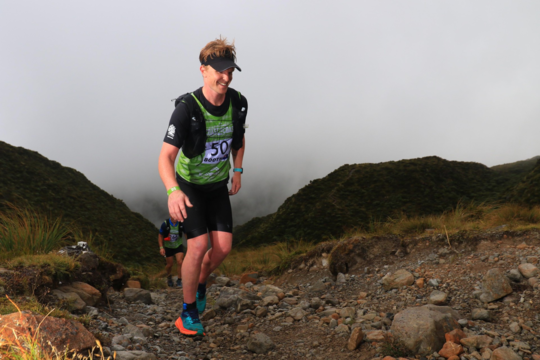
Written in consultation with Dylan Booth (pictured above), Senior Physiotherapist at Habit Health Rotorua
The most common injuries we treat in Rotorua
Active lifestyles are brilliant for your health, but they do put your body under load. The injuries that come through our doors most often aren't dramatic falls or crashes. More often it's the ankle rolled on a tree root, the knee that's been grumbling for a few weeks, or the heel that hurts most in the morning.
Here are the ones we see most:
- Runner's knee (patellofemoral pain): that dull ache around or behind the kneecap, often worse going downhill or after sitting for a while
- Plantar fasciitis: heel and arch pain, usually worst with those first steps out of bed
- IT band syndrome: a sharp or burning pain on the outer knee, common in runners increasing their mileage
- Ankle sprains: trail surfaces are uneven; rolled ankles are part of life out here
- Lower back tightness: especially in cyclists and anyone spending long hours in the saddle or on their feet
Why These Injuries Happen (And How to Avoid Them)
Most of these injuries share a common cause: doing too much, too soon. It sounds simple, but it's the number one pattern we see, especially in the lead-up to an event.
Someone decides to get back into running, gets excited, ramps up too quickly, and a few weeks in they're hobbling in with a knee or heel problem that needs time to settle. That's frustrating for everyone.
Build up gradually
A good rule of thumb: don't increase your weekly mileage or intensity by more than 10% at a time. Your cardiovascular fitness tends to improve faster than your tendons and joints can adapt, which is where the mismatch happens.
Strength work matters more than you think
Running and walking are repetitive, single-leg activities. If you have any weakness in your glutes, hips, or calves, your body will compensate — and over time, those compensations show up as pain somewhere else. Even 10-15 minutes of targeted strength work a few times a week can make a significant difference.
Don't ignore the early warning signs
This is the big one. That niggle you've been running through for three weeks? It's trying to tell you something. Catching an issue early means a shorter recovery and less time off the trails. Waiting until it becomes a real problem almost always means a longer road back.
Quick self-check: If your pain is worse during activity, lingers for more than an hour afterwards, or is affecting how you move, it's worth getting it looked at.
When to See a Physio in Rotorua
You don't need to be in agony to book an appointment. In fact, the best time to see a physio is before things get bad.
Here's a simple guide to when it makes sense to come in:
|
Situation |
What to do |
|---|---|
|
Pain that started recently and is mild |
Rest, ice, monitor for 48-72 hours |
|
Pain that's been there for more than a week |
Book a physio appointment |
|
Pain affecting how you walk, run or move |
Book as soon as possible |
|
Swelling, bruising or instability |
See a physio or GP promptly |
|
Preparing for an event and want to stay injury-free |
Book a physio assessment |
We also work with ACC for injury-related treatment, which means many Rotorua residents can access physio care at a reduced cost if their injury qualifies. If you're unsure whether your injury is covered, we can help you work that out at your first appointment.
Physio isn't just for when you're injured
One thing we'd love more people in Rotorua to know: physio is just as valuable for prevention as it is for recovery. A movement assessment can identify weaknesses or imbalances before they become problems, especially useful if you're training for a big event or just want to keep doing what you love for longer.
Book a Physio Appointment in Rotorua
Our Rotorua clinic is based at 1108 Pukaki Street, and we're here for the full range of physio needs: whether you're dealing with a fresh ankle sprain from the Redwoods, a long-standing knee issue that's been slowing you down, or you just want to move better heading into event season.
Still not sure if you need to come in? That's okay. Give us a call or book online and we can point you in the right direction. We'd rather you reach out early and find out it's nothing serious, than wait until something small becomes a real setback.
Rotorua's trails aren't going anywhere. Let's keep you on them.