
A Smarter Return to Sport: Are You Actually Ready?
27 Feb 2026
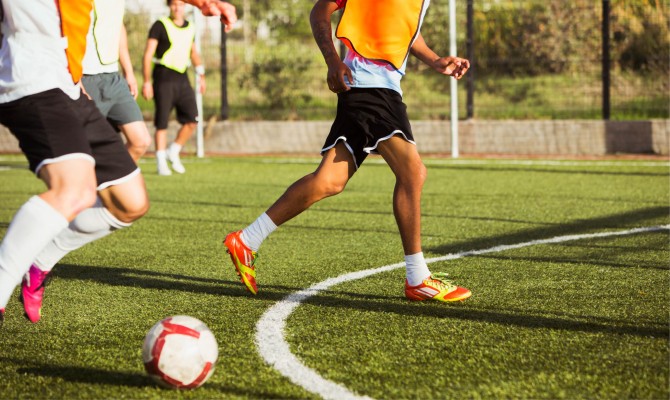
The 2026 sports season is here. The group chat is buzzing and you’re keen to get stuck in.
You might feel “pretty good.” You’ve been kind of active over summer. A few gym sessions. A couple of walks. Maybe the odd social run around. But here’s the honest truth. Even a few weeks off can reduce your strength, tendon tolerance and fitness more than you think. That’s when early-season injuries tend to creep in.
Being pain-free isn’t always the same as being game-ready. Let’s look at what “ready” really means.
Can Your Body Handle Game Speed?
Jogging laps and playing at full pace are very different.
In a game you’re:
- Accelerating and stopping quickly
- Twisting and changing direction
- Jumping, reaching or landing under pressure
- Reacting without warning
That’s a big jump from steady gym work or weekend walks.
If you haven’t practised:
- Short, sharp sprints
- Change-of-direction drills
- Lateral movement
- Your hamstrings, calves and knees might not be ready to cope. That’s often when strains and tweaks happen.
Are Both Sides Doing the Work?
Old ankle sprain? Previous knee ache? Shoulder that “used to play up”?
You might feel mostly fine. But small strength or balance differences can hang around quietly.
In sport, that can show up as:
- One leg doing most of the work
- Less confidence landing or pivoting
- Tightness building as the game goes on
That’s when aches turn into proper strains.
A strength and balance check can quickly show whether both sides are pulling their weight. Our physios can also use VALD performance testing to measure strength and movement, so you know exactly where you stand and what to work on.
Learn more about VALD here or book an appointment to get ready for the season ahead.
Do You Trust Your Body Yet?
Strength is one thing. Confidence is another.
If you’re:
- Holding back from a full sprint
- Avoiding sharp cuts
- Protecting one side
You’re probably overloading somewhere else instead and increasing the chance of another injury.
Return to sport isn’t only about pain settling down it's also about trusting your body again. Because when you feel confident, you move better. And when you move better, you lower your injury risk.
Can You Recover Between Games?
The season often looks like:
- A weekly game
- Training sessions
- Plus gym or another sport
Recovery matters even more now than it did during high school. If you’re still sore or stiff for more than 72 hours after a game, that’s your body telling you the load is slightly ahead of capacity. It might also be a sign to visit a physio before the ache turns into something more. Getting ahead of recovery early can save you from six weeks on the sideline later.
Signs You’re Not Quite Ready
- You have pain that changes how you move
- There’s tightness that builds as the game goes on
- You’re swelling after a game
- There’s a “pinging” feeling in your hamstring or calf
- You have an ankle that keeps rolling
These aren’t part of the game, They’re early warning signs.
The Bottom Line
Most early-season injuries aren’t bad luck. They’re a mismatch between enthusiasm and preparation.
We love seeing people back in sport and doing what they enjoy with their friends. If something feels off, don’t wait for it to get worse. Early support is much easier than managing a strain later on.
Need help recovering from an injury?
Our physiotherapists can help you reduce pain, rebuild strength and safely return to your sport.
Book an appointment online or visit your nearest Habit Health clinic.