
Common Mountain Biking Injuries We See Every Summer
And how physio helps you get back on the trail
27 Feb 2026
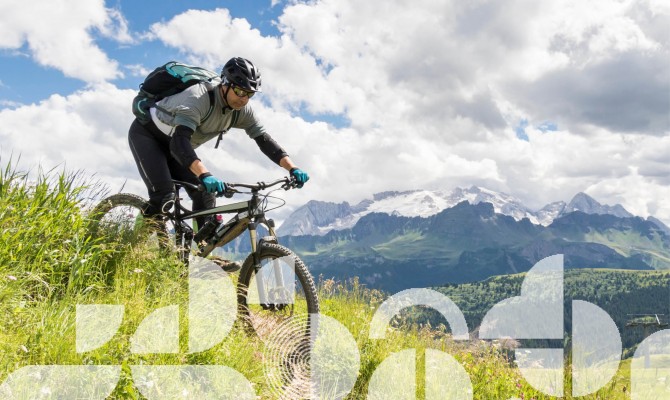
Summer in Aotearoa means longer days, dry trails and riding a little more often. It also means we tend to see the same pattern of injuries each year. Sore wrists. Achy shoulders. Grumpy knees. Tight lower backs. And occasionally, concussion.
When riding volume ramps up, or you start pushing a bit harder than usual, your body can let you know. The good news? Most issues respond really well to early physio support.
Wrist and hand injuries
Coming off the bike and landing on an outstretched hand is common in mountain biking. Even at slower speeds, that force can lead to wrist sprains, ligament injuries or sometimes fractures.
We assess wrist stability, grip strength and how your upper body is absorbing load. Treatment focuses on restoring strength and confidence on the bars, while settling pain and stiffness so you can trust your wrist again.
Shoulder injuries
Your shoulders work hard on descents, during braking and in any fall. We often see AC joint sprains, rotator cuff irritation and shoulder instability.
Rather than just treating the sore spot, we look at how your whole upper body is working. Thoracic mobility, posture and shoulder control all play a role in how well you absorb impact on the trail. Improving that control helps reduce repeat strain.
Knee pain
Knee pain in mountain bikers is often a slow build rather than one big crash. Long climbs, braking forces and riding more frequently can overload the joint.
We assess hip and ankle control, strength and movement patterns. Some of our team can also look at your bike set up to identify why your knee is under stress. Small adjustments can make a big difference.
Concussion
Concussion is a recognised risk in mountain biking, even with a helmet. Symptoms are not always immediate and can include headaches, dizziness, fatigue or difficulty concentrating.
In Aotearoa, concussion assessment and rehabilitation is supported through ACC. Physiotherapists play a key role in guiding a safe return to riding. Early assessment reduces the risk of prolonged symptoms.
If you suspect a concussion, see a doctor as soon as possible and ask about a referral to physio for a structured recovery plan.
Lower back pain
Long periods leaning forward on the bike, combined with trail impact, can leave your lower back feeling tight or sore.
We look at how your back and hips move, how much riding your body is currently tolerating and where overload might be happening. From there, we help you build capacity so longer rides do not flare things up again.
How physio helps you ride again
Physiotherapy is not just about settling pain. It's about understanding how the injury happened, managing load while you recover and restoring strength and confidence on the bike.
The earlier you get it checked, the easier it usually is to get back on the trail.
No judgement. No lectures. Just Physio to help you keep riding.
Need help recovering from an injury?
Our physiotherapists can help you reduce pain, rebuild strength and safely return to your sport.
Book an appointment online or visit your nearest Habit Health clinic.